Solar Panels & Battery Storage — West Lothian FAQs
These are the questions West Lothian homeowners ask us most often — about whether solar works in the Scottish climate, roof suitability, adding a battery, inverters, the installation process, VAT and finance. If your question is not here, call us on 0141 230 0198 or fill in our quote form and we will answer it directly.
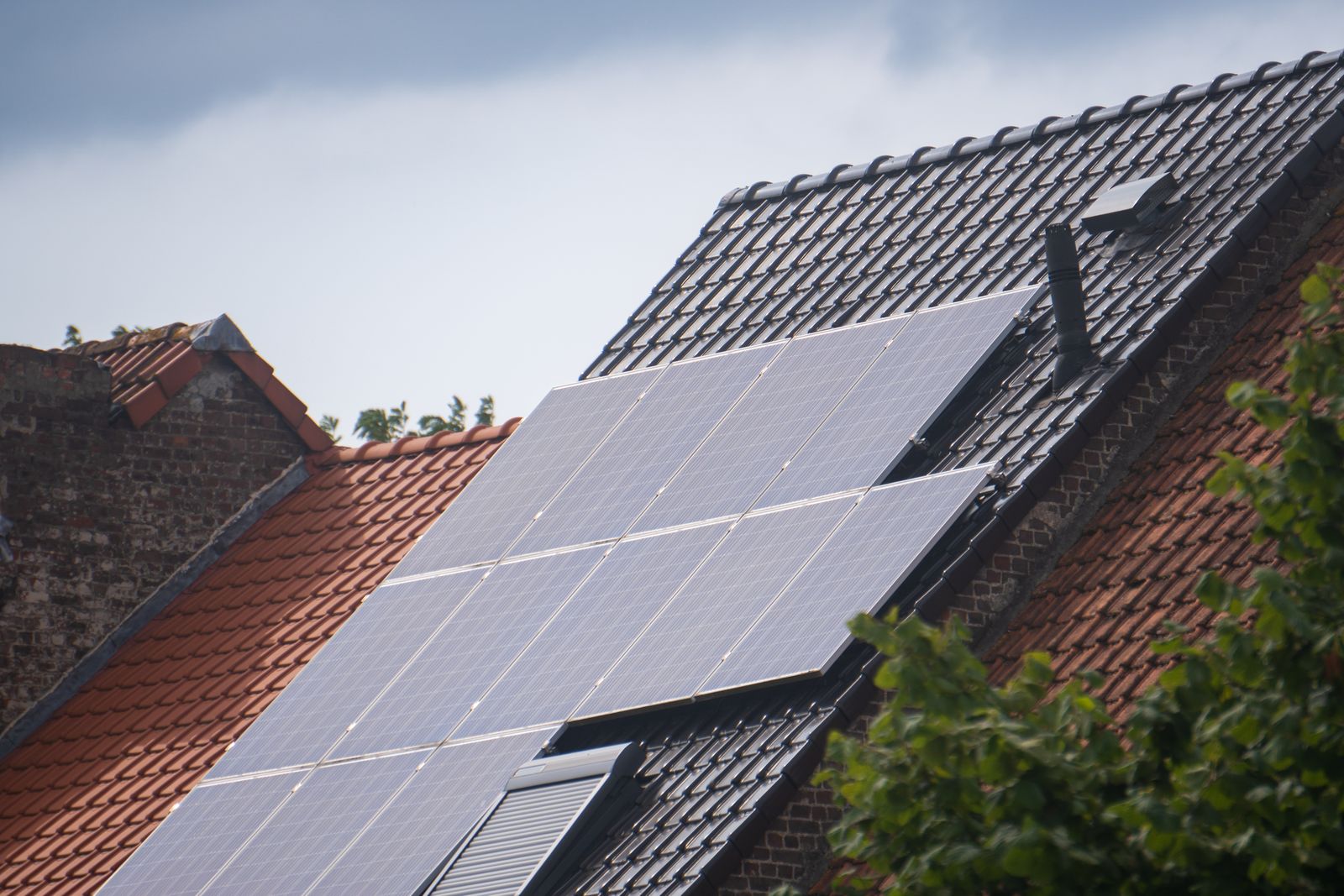
We answer questions from homeowners across West Lothian every day — from Livingston to Linlithgow, Bathgate to Broxburn. Below are the questions we hear most often, with clear, honest answers. If you have a question that is not covered here, call us on 0141 230 0198 or fill in our quote form and we will get straight back to you.
Solar suitability in West Lothian
Do solar panels work in the Scottish climate?
Yes. Modern solar panels generate electricity from daylight, not direct sunshine, so they produce meaningful power even on overcast days. West Lothian's position in the central belt gives long daylight hours in summer — from around 4am to 10pm in midsummer — which means strong generation for six months of the year. Panels still produce electricity on winter days, though output is lower.
What roof orientation is best for solar?
South-facing roofs generate the most total electricity across the day. East-facing roofs generate more in the morning, and west-facing more in the afternoon and evening. East-west arrangements are increasingly popular because they match when most households use electricity — morning and evening — which means you consume more of what you generate. We assess orientation during your survey and advise on the best layout.
Can solar panels go on a slate roof?
Yes. Slate roofs, common on older properties around Linlithgow and Bathgate, can accommodate solar panels using a specialised flashing system that maintains weatherproofing. We inspect the slate condition during your survey — if slates are fragile or the structure needs attention, we will tell you before quoting.
My roof is shaded — can I still have solar?
Partial shading does not necessarily rule out solar. We can use optimisers or microinverters that allow each panel to operate independently, so one shaded panel does not reduce the output of the whole array. During your survey we identify shading from chimneys, trees and neighbouring buildings and design around it. If shading is too severe, we will tell you honestly.
Battery storage
What does a home battery do?
A home battery stores the surplus electricity your solar panels generate during the day so you can use it in the evening and overnight. This means you consume more of your own generation rather than exporting it to the grid, which for most West Lothian households makes solar significantly more useful — especially if you are out at work during peak generation hours.
Can I add a battery later?
Yes. We can install a battery as a retrofit if you already have panels. However, installing panels and a battery together in one visit is usually more efficient and avoids a second installation appointment. We will quote for whichever option suits you.
How long does a battery last?
Modern home batteries typically come with a warranty of around 10 years and are designed for thousands of charge cycles. Battery capacity gradually reduces over time, just like a phone battery, but at a slow and predictable rate. We will discuss warranty and expected performance with your quote.
Inverters and system design
What is an inverter and why does it matter?
The inverter converts the direct current (DC) your panels produce into the alternating current (AC) your home uses. It is a critical component — a well-chosen inverter ensures you get the most from your panels. We use modern string inverters with optimiser or microinverter options where shading or roof layout requires them.
Can I see how much my panels are generating?
Yes. Every system we install includes a monitoring app or online portal, accessible from your phone or computer. You can see real-time generation, battery charge level, and home electricity consumption. Many homeowners find this one of the most satisfying parts of having solar — watching the electricity flow.
Installation and process
How long does installation take?
A typical residential solar PV installation is completed in one to two days. Adding a battery may extend this slightly. Scaffolding is erected the day before and removed after the installation is signed off. We give you a clear timeline with your quote.
Do I need to be home during installation?
Yes, someone should be home for access — the team needs to reach the loft and the area around your consumer unit. We will tell you exactly what access is needed when we schedule the installation.
Is the installation MCS-certified?
Yes. We install through MCS-certified partners, which means your installation is properly accredited and registered. This is important for any future requirements and gives you confidence that the installation meets industry standards.
Costs, VAT and finance
Is there VAT on solar panels?
The UK government currently applies 0% VAT to the supply and installation of solar panels and battery storage on residential properties until 31 March 2027. The quote we send you is the full amount you pay — no VAT is added.
Can I spread the cost?
Loans available, subject to status. We can discuss finance options after your survey and will explain the terms clearly so you can decide whether paying upfront or spreading the cost is right for you.
Is the survey and quote really no-obligation?
Yes. We arrange the survey, assess your home, send a written quote, and you decide whether to proceed. If you choose not to go ahead, there is no charge and no pressure. We believe in honest advice — if solar is not right for your home, we will tell you.
If you have a question we have not answered, call us on 0141 230 0198 or fill in the form on this page. We are happy to help with anything you want to know about solar panels and battery storage in West Lothian.